

You can learn how to delegate tasks to your team without losing control by setting clear boundaries and checking work at set milestones. Most business owners wait until they feel crushed before handing off work, and that rush leads to messy results. You do not have to pick between doing every job yourself and watching quality fall apart.
The short fix is simple. Break large jobs into test phases, define what done looks like in plain numbers, and set fixed check-in dates instead of hovering over desks. When you build this safety net, your staff grows and your company keeps running smoothly.

Why Does Giving Away Work Feel So Risky?
Every founder remembers the first time an employee dropped the ball on a key account. It hurts your brand, burns cash, and steals your weekend. That memory turns many smart bosses into bottlenecks who review every single email and invoice.
The trap is thinking no one can match your speed. While that might be true today, holding onto basic work blocks your business from growing. If you spend five hours a week formatting reports, you have five fewer hours to close sales or build better offers.
When tasks stay locked on your desk, your best staff members get bored. Talented people want ownership, not babysitting. Handing off jobs is not just about freeing your calendar, it is about giving your staff room to win. You can also read our guide on How to Fix Team Miscommunication Before It Costs You Money to catch early handoff mistakes before they turn into expensive rework.

How Do You Decide Which Tasks to Hand Off First?
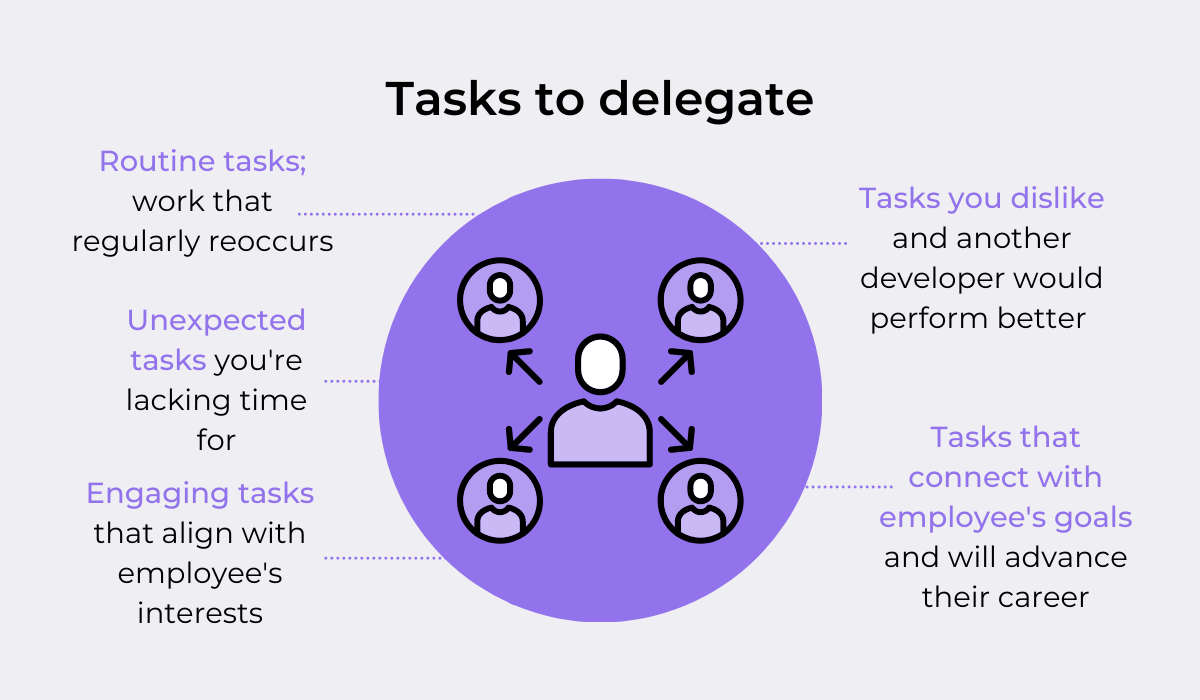
Start with tasks you do over and over that follow plain rules. Good examples include daily data entry, customer intake forms, initial vendor outreach, and social media scheduling. These tasks have clear steps that anyone can follow with a simple checklist.
Keep the high-stakes work on your plate for now. Strategic deals, key staff hires, and major budget choices still need your direct touch. Sort your tasks into four simple buckets:
- Tasks you hate doing that someone else can do easily.
- Tasks that take up hours of time but need very little training.
- Tasks you love but should teach someone else to handle.
- Tasks that only you can do right now.
Pick one small job from the first bucket this week. Last month, a retail client named Sarah handed off her weekly inventory count to an assistant. That single move freed up three hours every Monday morning. She used those hours to meet new suppliers and cut raw product costs by ten percent.

What Does Good Task Delegation Actually Look Like?
Clear handoffs start with the finish line, not the path. Tell your worker what success looks like, when it is due, and why the task matters. Let them figure out some of the small steps on their own so they learn how to think.
Write out the goal in plain numbers. Do not say, make this sheet look neat. Say, list all fifty client names, sort them by renewal date, and highlight accounts over ten thousand dollars by Thursday at noon. Specific goals leave zero room for confusion.
Give your worker the right tools and authority to match the job. If you ask a team member to manage office supplies, give them a set credit card limit of two hundred dollars. Do not make them ask you for permission on every box of pens. True delegation means giving up the small decisions so you can focus on bigger moves.
If you want more operational advice to scale your operations, visit our business leadership and productivity resources for tested playbooks. Setting up clear systems now makes every future handoff twice as easy.

How to Keep Control Without Micromanaging Your Team
Set milestone reviews before the deadline arrives. If a project takes four weeks, set short review points at the end of week one and week three. This stops you from hovering every day, while ensuring you never get a bad surprise on delivery day.
Use what managers call the rule of thirds:
- At thirty percent completion, review the outline or raw draft to ensure the direction is sound.
- At sixty percent completion, check the main body of work to catch any hidden errors.
- At ninety percent completion, review the final polish before sending it out into the world.
Ask questions instead of giving answers when team members hit a wall. When an employee asks what to do next, ask them what they recommend first. This simple shift trains your people to bring solutions instead of problems to your desk. Over time, your team gets sharper and you spend far less time playing air traffic controller.

How Do You Handle Mistakes When Delegating?
Mistakes will happen, especially early on. When an error occurs, look at your instructions before you blame the person. Did you give them enough context? Was the deadline realistic? Did they have the right files?
Treat early errors as training moments rather than failures. Have the employee walk you through where they got stuck. Update your written checklist or video walkthrough right away so the exact same slip never happens twice.
Watch how work gets handed over across different life stages in your business. When older, senior managers leave their roles through standard paths like Mandatory retirement policies, companies must pass down years of unwritten wisdom to younger staff without dropping standards. Setting up clear task guides protects your business when your top people eventually move on.
Keep a shared digital folder for simple how-to guides. Whenever you or a team member solve a tricky problem, spend three minutes writing out the five steps you took. That small library turns new hires into capable operators in weeks instead of months.
Your Action Plan for Tomorrow Morning
You do not need to overhaul your entire business calendar overnight. Pick one task that drains your energy and hand it off this week using these steps:
- Write a bullet list of what a finished job looks like.
- Pick one capable team member and explain the background of the job for ten minutes.
- Set a firm check-in date when thirty percent of the work is done.
- Step back completely and let them do the work until that check-in date arrives.
What one job on your to-do list right now could someone else handle if you gave them a clear guide?
Post a Comment